7 Signs It's Time to Replace Your Gutters
Updated Jun 2026
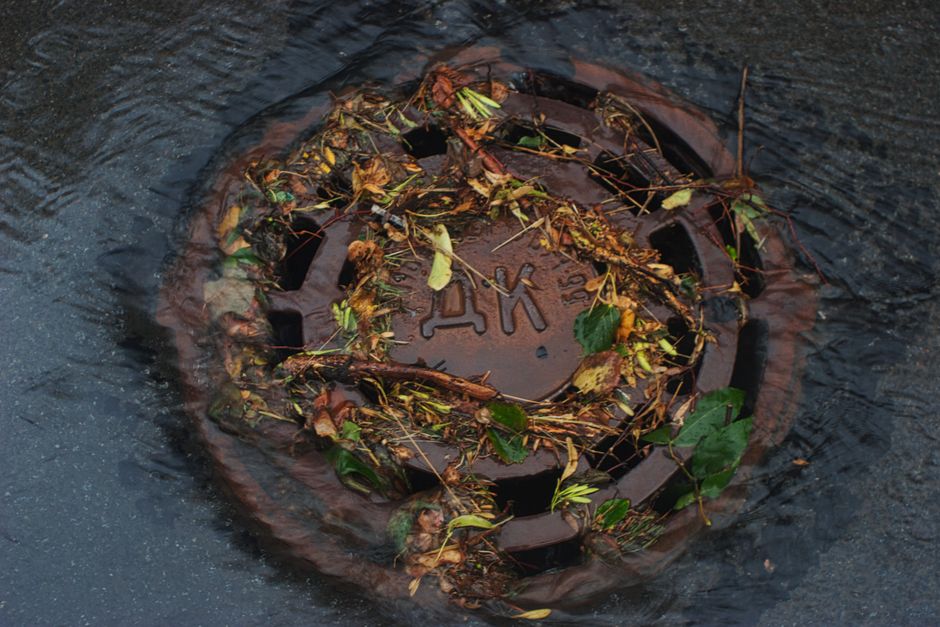
Photo by Plato Terentev on Pexels (Pexels License)
Gutters quietly protect your home every time it rains, steering water off the roof and away from your foundation. But they don't last forever, and a failing system can do real damage before you notice. Here are seven signs it may be time to bring in a gutter installer for a replacement — and what each one is telling you.
1. Gutters pulling away from the house
Healthy gutters sit snug against the fascia. When you see them sagging or separating from the roofline in more than one spot, the fasteners or the fascia behind them may be failing. Occasional loose hangers can be repaired, but widespread separation usually points toward replacement.
2. Overflow during rain
If water spills over the edges during storms instead of flowing to the downspouts, your gutters aren't doing their job. Sometimes the cause is a clog. But if overflow persists after cleaning, the gutters may be undersized, improperly sloped, or worn out — all reasons to have an installer take a look.
3. Cracks, splits, or holes
Visible cracks and holes let water escape exactly where you don't want it. A single small hole might be patched, but multiple cracks along a run signal that the material is breaking down. Once damage is widespread, patching becomes a losing battle and replacement is the smarter investment.
4. Rust, peeling paint, or corrosion
Rust streaks, flaking paint on or below the gutters, or corrosion at the seams are signs the material is deteriorating. On metal gutters, corrosion tends to spread and weaken the whole system over time. Catching it is a cue to evaluate whether the gutters have reached the end of their service life.
5. Water pooling near the foundation
Gutters exist to move water away from your home. If you notice pooling, soil erosion, or damp basement walls near the foundation after rain, your gutters or downspouts may be failing to direct water where it belongs. This is one of the more serious warning signs, since foundation moisture can lead to bigger problems.
6. Peeling paint or stains on siding and fascia
Water escaping from leaky or overflowing gutters often shows up as stains, peeling paint, or rotting wood on the fascia and siding directly below. When you see these marks following the line of your gutters, the system above is likely leaking and due for attention.
7. Mildew, mold, or basement moisture
When gutters fail to carry water away, that moisture can collect around and under your home, encouraging mildew, mold, and damp basements. If you're seeing recurring moisture issues, faulty gutters may be part of the cause. An installer can assess whether your system is contributing.
Repair or replace?
Not every issue means a full replacement. A single sag, one loose hanger, or an isolated leak can often be repaired. Replacement makes more sense when problems appear in multiple places at once — widespread sagging, repeated overflow, corrosion across the system, or persistent foundation moisture. When several signs on this list show up together, the gutters are usually telling you their working life is over.
What to do next
If one or more of these signs sounds familiar, the practical step is to have a local gutter installer come out and inspect your system. Because gutter work is a come-to-you service, they'll assess your roofline in person, tell you honestly whether a repair or a full replacement is warranted, and provide a written quote.
When you do replace, consider seamless gutters to cut down on the joints where leaks tend to start, and ask about gutter guards if heavy tree cover keeps your system clogged. Acting on these warning signs early helps you avoid the far costlier water damage that failing gutters can leave behind.